




Posted by: Dr. Priyadarshi Amit (Reg. No : DMC-5266) | 0 COMMENTS
Initial Symptoms
The patient reported:
-
Deep, aching pain on the ulnar side of the wrist
-
Increased pain while gripping objects, typing, and lifting weights
-
Occasional clicking sensation in the wrist
-
Reduced wrist strength and limited range of motion
Pain had been present for 6–8 months and was not relieved by rest or over-the-counter painkillers.
Clinical Examination
On physical examination:
-
Tenderness over the ulnar wrist region
-
Pain aggravated by wrist deviation toward the little finger
-
Mild swelling without visible deformity
Based on symptoms and examination, Ulnar Impaction Syndrome was suspected.
Diagnostic Evaluation
To confirm the diagnosis, the following investigations were performed:
-
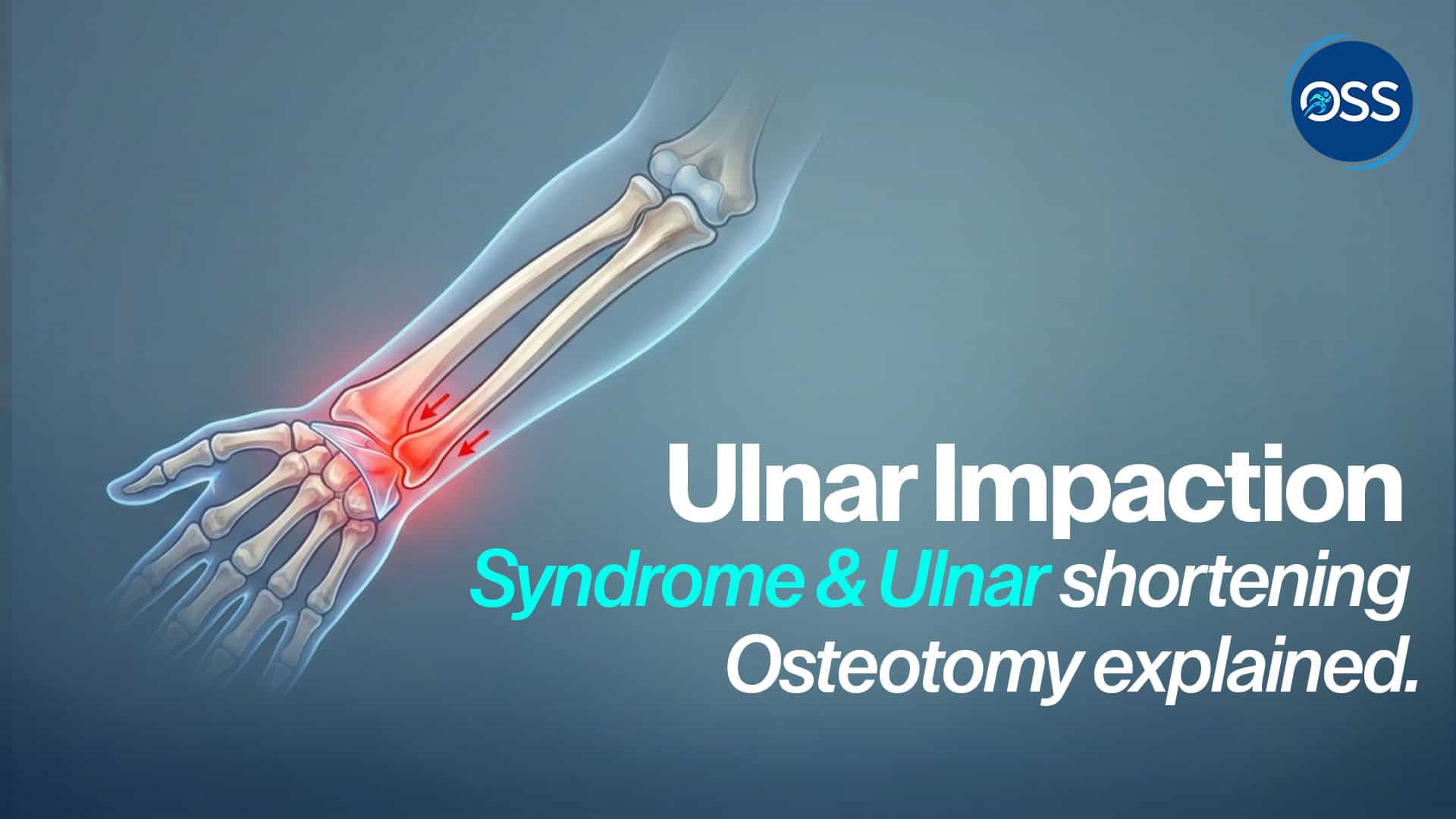
X-ray of the wrist: Showed positive ulnar variance, where the ulna was longer than the radius
-
MRI scan: Revealed degeneration of the triangular fibrocartilage complex (TFCC) and increased stress between the ulna and carpal bones
Diagnosis
Ulnar Impaction Syndrome causing chronic ulnar-sided wrist pain
Treatment Approach
Non-Surgical Management (Initial Phase)
The patient first underwent conservative treatment:
-
Wrist immobilization using a brace
-
Anti-inflammatory medications
-
Activity modification
-
Physiotherapy
After 8 weeks, symptoms improved slightly but pain persisted during daily activities.
Surgical Treatment
Due to ongoing pain, surgical intervention was recommended.
-
Procedure: Ulnar Shortening Osteotomy
-
Goal: Reduce pressure between the ulna and wrist bones
-
Surgery Type: Minimally invasive, internal fixation with plate and screws
Post-Surgery Recovery
-
Wrist immobilization for 4 weeks
-
Gradual physiotherapy and range-of-motion exercises
-
Strength training started after 8 weeks
Outcome & Results
-
Significant pain relief within 6 weeks
-
Full return to desk work in 2 months
-
Complete recovery and normal wrist function by 4–5 months
-
No recurrence of pain at 1-year follow-up
Patient Experience
“I had wrist pain for months and thought it was just a strain. After proper diagnosis and treatment, I’m now completely pain-free and back to normal life.”
Key Takeaways
-
Persistent pain on the little finger side of the wrist should not be ignored
-
Early diagnosis of Ulnar Impaction Syndrome prevents long-term joint damage
-
Both non-surgical and surgical treatments can be effective depending on severity
-
Surgery offers excellent outcomes when conservative treatment fails
Related Case Studies