




Posted by: Amit | 0 COMMENTS
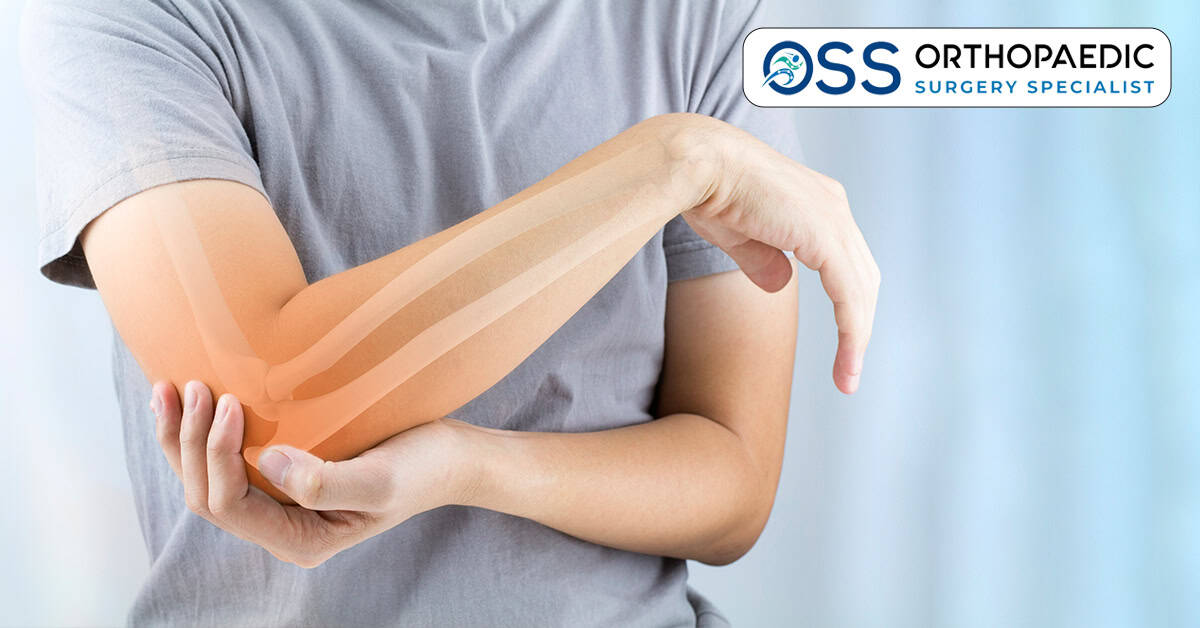
Tennis Elbow is a painful condition that affects the outer part of the elbow and can slowly start interfering with daily life. Many people worry when elbow pain does not go away and often ask one important question When is Tennis Elbow surgery required?
The good news is that most cases of Tennis Elbow do not need surgery. With the right treatment at the right time, pain usually improves. Surgery is only considered in a small number of cases where all other treatments fail.
This blog explains Tennis Elbow in simple words, when surgery becomes necessary, and what patients should expect.
What Is Tennis Elbow?
Tennis Elbow, also called lateral epicondylitis, happens due to overuse of the forearm muscles and tendons. Repeated movements strain the tendons attached to the elbow, causing pain and inflammation.
Despite the name, this condition is not limited to tennis players. It is commonly seen in:
- Office workers using keyboards and mouse for long hours
- Electricians, plumbers, painters, and carpenters
- Gym users and fitness trainers
- Homemakers doing repetitive hand work
Common Symptoms of Tennis Elbow
Before discussing surgery, it is important to understand the symptoms:
- Pain on the outer side of the elbow
- Pain increasing while lifting or gripping objects
- Weakness in the hand or wrist
- Pain while shaking hands, turning keys, or opening jars
If these symptoms continue for weeks or months, medical evaluation is necessary.
Can Tennis Elbow Heal Without Surgery?
Yes. More than 90% of Tennis Elbow cases heal without surgery.
Most patients respond well to non-surgical treatment such as:
- Rest and avoiding repetitive movements
- Pain-relief and anti-inflammatory medicines
- Elbow braces or supports
- Physiotherapy and strengthening exercises
- Lifestyle and work-posture correction
Improvement may take a few weeks to several months, depending on severity and compliance with treatment.
When Is Tennis Elbow Surgery Required?
Tennis Elbow surgery is considered only when conservative treatments fail. Surgery may be recommended in the following situations:
- Pain Lasting More Than 6–12 Months
If elbow pain continues despite proper treatment for 6 to 12 months, surgery may be discussed.
- No Relief From Non-Surgical Treatments
When rest, medicines, injections, and physiotherapy do not provide long-term relief, surgery becomes an option.
- Severe Tendon Damage
Imaging tests may show torn or severely damaged tendons that cannot heal on their own.
- Pain Affecting Daily Life and Work
If pain prevents you from working, sleeping properly, or performing routine activities, surgical treatment may be required.
- Loss of Strength in the Arm
Persistent weakness in grip or wrist strength can indicate advanced damage needing surgical correction.
What Does Tennis Elbow Surgery Involve?
The main goal of surgery is to remove damaged tendon tissue and promote healing. Depending on the condition, surgery may be:
- Minimally invasive
- Open or arthroscopic
During surgery:
- Diseased tendon tissue is removed
- Healthy tendon is repaired or reattached
- Inflammation is reduced
Most procedures are short and safe when done by an experienced orthopedic surgeon.
Recovery After Tennis Elbow Surgery
Recovery depends on the individual and the type of surgery performed. Generally:
- Arm support is used for a short period
- Physiotherapy starts gradually
- Light activities resume in a few weeks
- Full recovery may take 2 to 4 months
Following doctor-advised exercises is crucial for proper healing.
Risks of Delaying Necessary Surgery
Ignoring severe Tennis Elbow symptoms for too long may lead to:
- Chronic pain
- Permanent weakness
- Reduced arm function
- Longer recovery time later
This is why timely evaluation is important when pain does not improve.
How to Avoid Surgery for Tennis Elbow
Many cases can avoid surgery by:
- Seeking early medical advice
- Completing physiotherapy sessions
- Avoiding repetitive strain
- Using proper ergonomic posture
- Following home exercise routines regularly
Early care can make a big difference.
Final Thoughts
Tennis Elbow surgery is not the first step in treatment. It is recommended only when pain becomes long-lasting, severe, and resistant to non-surgical methods. If you are experiencing elbow pain that is not improving with time and treatment, consulting an orthopedic specialist early can help you choose the right path — whether non-surgical care or surgery.
Early diagnosis, patience, and proper treatment can help you return to a pain-free life without unnecessary surgery.
Related Blogs