




Posted by: Dr. Priyadarshi Amit (Reg. No : DMC-5266) | 0 COMMENTS
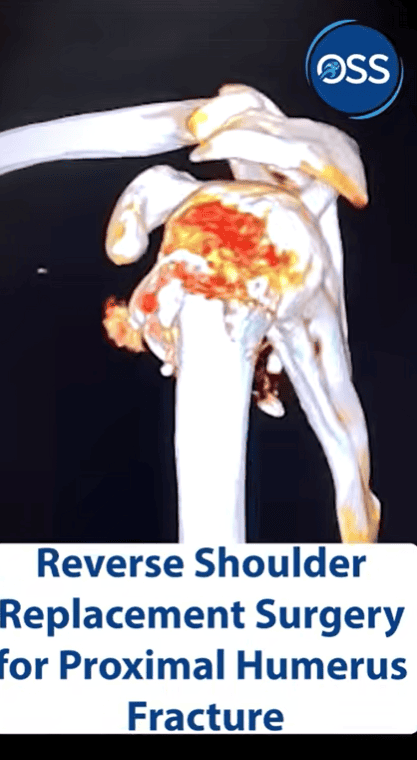
Proximal humerus fractures are among the most common shoulder injuries, particularly in elderly patients with osteoporosis. While many fractures can be managed conservatively or with fixation techniques, complex multi-fragmentary fractures often require advanced surgical intervention to restore shoulder function and reduce pain.
This case highlights a successful Reverse Shoulder Replacement Surgery performed by Dr. Priyadarshi Amit for the management of a complex proximal humerus fracture.
Patient Presentation
The patient presented with severe shoulder pain, swelling, and significantly restricted movement following a traumatic injury. Clinical examination and radiological investigations revealed a displaced proximal humerus fracture involving multiple fragments, making conventional fixation challenging and less predictable.
Key Findings
- Severe pain and loss of shoulder function
- Displaced proximal humerus fracture
- Multiple fracture fragments
- Poor bone quality affecting fixation potential
- Increased risk of complications with traditional reconstruction methods
Surgical Decision-Making
After detailed evaluation, Reverse Shoulder Replacement was selected as the most appropriate treatment option. This procedure is particularly beneficial in complex fractures where the rotator cuff function may be compromised or the fractured bone fragments cannot be reliably reconstructed.
Objectives of Surgery
- Restore shoulder stability
- Relieve pain
- Improve range of motion
- Enable early rehabilitation
- Achieve predictable long-term functional outcomes
Surgical Procedure
The surgery was performed under sterile operating room conditions by Dr. Priyadarshi Amit.
Key Surgical Steps
- Exposure of the shoulder joint through a standard surgical approach.
- Careful assessment of the fractured humeral head and surrounding structures.
- Removal of irreparable fracture fragments.
- Preparation of the glenoid and humeral components.
- Implantation of the reverse shoulder prosthesis.
- Reconstruction and fixation of the tuberosities where appropriate.
- Stability testing and verification of implant positioning.
- Layered closure of the surgical wound.
The reverse shoulder design allows the deltoid muscle to compensate for deficient rotator cuff function, providing improved shoulder mechanics and functional recovery.
Postoperative Management
Following surgery, the patient was placed in a shoulder immobilizer and enrolled in a structured rehabilitation program.
Rehabilitation Goals
- Pain control
- Protection of the surgical repair
- Gradual restoration of mobility
- Strengthening of the shoulder musculature
- Return to daily activities
Outcome
The patient demonstrated significant improvement during follow-up evaluations.
Clinical Results
- Substantial reduction in pain
- Improved shoulder mobility
- Enhanced functional independence
- Stable implant positioning on postoperative imaging
- Successful recovery without major complications
Discussion
Reverse Shoulder Replacement has become an increasingly valuable treatment option for complex proximal humerus fractures, particularly in elderly patients and cases where anatomical reconstruction is unlikely to provide reliable outcomes.
Compared with traditional fixation methods, reverse shoulder arthroplasty offers:
- Better pain relief
- Improved functional recovery
- Earlier rehabilitation potential
- More predictable outcomes in complex fracture patterns
Conclusion
This case demonstrates the effectiveness of Reverse Shoulder Replacement Surgery in managing a complex proximal humerus fracture. Through careful surgical planning, advanced orthopedic techniques, and structured rehabilitation, the patient achieved excellent functional recovery and pain relief.
The procedure performed by Dr. Priyadarshi Amit showcases the role of modern shoulder arthroplasty in treating challenging fracture cases and restoring quality of life for patients suffering from severe shoulder injuries.
Related Case Studies