



Posted by: Dr. Priyadarshi Amit (Reg. No : DMC-5266) | 0 COMMENTS
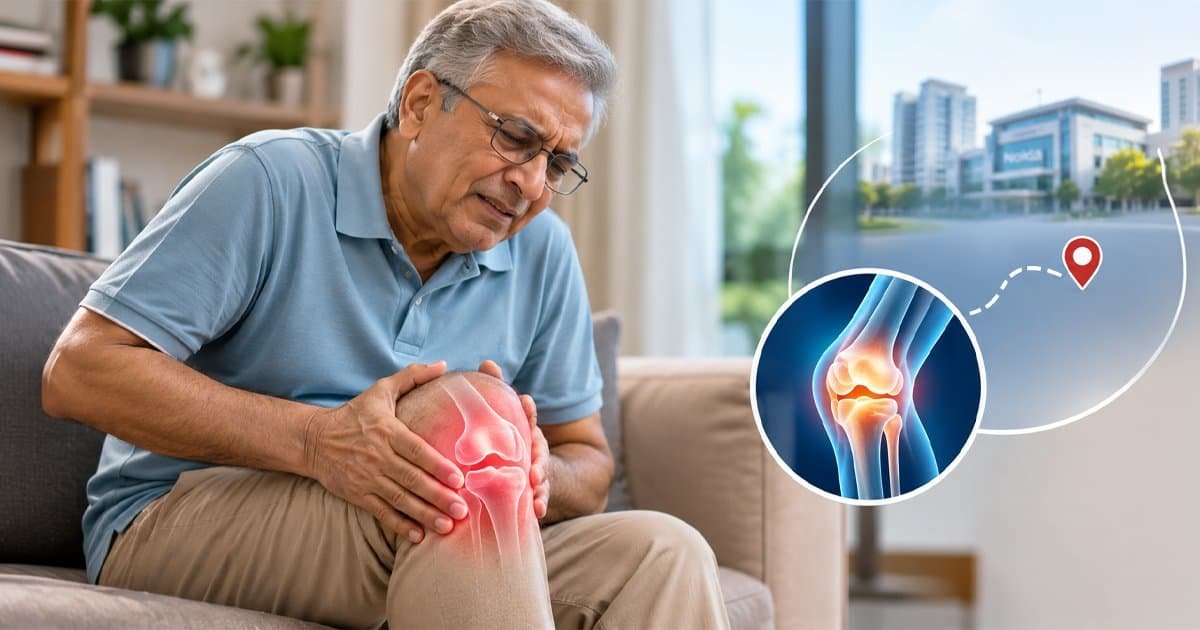
It starts the same way every time. You are in the middle of a cricket match, a football game, a badminton rally or a morning run at the park, and then you hear it: a pop, a twist, a crack, or a sudden “ouch” that your whole body feels.
You limp off the field and say the famous last words of every sportsperson: “It’s nothing. I’ll walk it off.”
Spoiler alert: sometimes it really is nothing. And sometimes that “nothing” is a torn ligament quietly planning to ruin your next six months. So how do you know the difference? That is exactly what a sports injury surgeon in Delhi NCR wants you to understand, so let’s break it down.
First, what is a sports injury (and who gets one)?
A sports injury is any damage to your muscles, bones, ligaments, tendons, cartilage or joints that happens while playing sports or exercising. And here is the surprise: you do not have to be an athlete to get one. Weekend cricketers, gym-goers, yoga enthusiasts, morning joggers, and even someone who tried a dance reel a little too enthusiastically can all end up with one.
The most common ones doctors see include:
- ACL, PCL and meniscus tears in the knee
- Rotator cuff tears and shoulder dislocations
- Ankle sprains and ligament injuries
- Tennis elbow and golfer’s elbow
- Achilles tendon injuries
- Fractures and stress fractures
- Hamstring and muscle tears
Do I need a surgeon, or will rest and ice do the job?
Good news first: most sports injuries do NOT need surgery. Mild sprains, strains and bruises often heal with rest, ice, compression, elevation, physiotherapy and time. Even many partial tears recover well without an operation.
But some injuries will not heal properly on their own, and delaying treatment can turn a repairable problem into a permanent one. Here is when it is time to stop being brave and start booking.
10 signs it is time to see a sports injury surgeon in Delhi NCR
1. You heard or felt a “pop” at the time of injury
A popping sound followed by sudden pain and swelling is a classic sign of a ligament tear, such as an ACL injury. Your body is not applauding. It is sending an alarm.
2. Your joint swelled up quickly
If the knee, ankle or shoulder balloons within a few hours, it can mean bleeding inside the joint. That deserves a proper examination, not just a hot water bag.
3. You cannot put weight on the leg
If walking or standing on the injured leg is difficult or impossible, or you need support just to take a few steps, get it checked.
4. Your joint feels unstable or “gives way”
A knee that buckles on stairs, a shoulder that slips out of place, or an ankle that keeps rolling are signs that ligaments or other stabilisers may be damaged.
5. Your joint locks or catches
If your knee gets stuck, will not fully straighten, or catches painfully while moving, a torn meniscus or loose fragment could be the culprit.
6. The deformity is visible
A bent, bumpy, twisted or out-of-shape limb or joint is not normal. This could be a fracture or dislocation and needs urgent attention.
7. You have numbness, tingling or weakness
These signs can point to nerve involvement or a serious injury. Do not ignore them.
8. The pain is not improving after 1 to 2 weeks
Mild injuries start improving within days. If your pain, swelling or stiffness refuses to budge after a week or two of proper rest, something deeper may be going on.
9. The same injury keeps coming back
Repeated sprains, recurring shoulder dislocations or constant tendon pain can mean an underlying problem that rest alone cannot fix.
10. You cannot move the joint normally
If you cannot fully bend, straighten or lift the joint, or you lose strength in the limb, get a specialist opinion.
If you notice any of the above, especially an obvious deformity, severe pain, numbness or a limb that looks pale or bluish, go to a hospital emergency without waiting for an appointment.
What does a sports injury surgeon actually do?
Here is a myth to bust: a sports injury surgeon is not someone who rushes you to the operation theatre the minute you walk in. A good one first listens, examines, and often recommends the least invasive route that gets you back in the game.
Typically, they will:
- Examine the injury and ask exactly how it happened
- Order tests such as X-ray, ultrasound or MRI to see what is torn, broken or inflamed
- Plan non-surgical treatment where possible, including physiotherapy, bracing, medication and activity modification
- Recommend surgery only when needed, often using arthroscopy (keyhole surgery), which means small cuts, less pain and a faster recovery
- Guide your rehabilitation so you return to sport safely and not too early
Why not just wait and see?
Because some injuries get worse with time. For example:
- A torn meniscus that is ignored can lead to more cartilage damage.
- A knee with a torn ACL that keeps giving way can damage other structures inside the joint.
- A shoulder that keeps dislocating can become weaker and more unstable with every episode.
- A tendon that is overloaded and left untreated can rupture.
Early diagnosis often means simpler treatment and a quicker comeback.
Myth-busters for the injured athlete
Myth: If I can walk, it cannot be serious. Fact: Many people with ACL tears walk into the clinic on their own. Walking does not rule out a major injury.
Myth: Surgery means the end of my sports career. Fact: Modern keyhole techniques and structured rehab help many players return to sport. Timelines vary, so your surgeon will guide you.
Myth: Massage and a pain spray will fix everything. Fact: They may ease the pain, but they cannot repair a torn ligament or a broken bone.
Myth: I should keep playing and let it heal. Fact: Playing through pain can turn a small injury into a big one. Your body is not being dramatic. It is asking you to stop.
What to do right after a sports injury
Until you see a doctor, remember the basics:
- Stop playing immediately. Do not test the injury by running it off.
- Rest the area and avoid putting weight on it.
- Apply ice wrapped in a cloth for 15 to 20 minutes at a time.
- Use a compression bandage to control swelling, but not so tight that it causes numbness.
- Elevate the limb above heart level when resting.
- Avoid heat, massage and alcohol in the first 48 hours, as they can increase swelling.
- Get it examined if any of the warning signs above appear.
How to choose a sports injury surgeon in Delhi NCR
With so many hospitals and clinics across Delhi, Noida, Gurugram, Ghaziabad and Faridabad, picking the right doctor can feel like a tough match. Look for:
- Specialised training in sports medicine, arthroscopy and joint surgery
- Experience treating injuries like yours, including athletes and active adults
- Modern diagnostics and facilities, including MRI and arthroscopic surgery
- A conservative approach, meaning they discuss non-surgical options before surgery
- Rehab support, because surgery is only half the journey
- Clear communication so you understand your diagnosis, options and recovery timeline
The bottom line
Your body is the only team you cannot swap out. If you have a pop, persistent pain, swelling, instability or a joint that simply is not behaving, do not wait for it to “magically” heal. A timely visit to a sports injury surgeon in Delhi NCR can save you months of pain, protect your joints for the long run, and get you back to doing what you love.
Because the best comeback story is the one where you listened to your body the first time.
Injured and unsure? Get it checked.
Don’t let a small injury bench you for the whole season. Book a consultation with an experienced sports injury surgeon in Delhi NCR for an accurate diagnosis and a personalised recovery plan.
Related Blogs