



Posted by: Dr. Priyadarshi Amit (Reg. No : DMC-5266) | 0 COMMENTS
“It’s just age.” “Everyone’s knees hurt after forty.” “It will go away if I rest.”
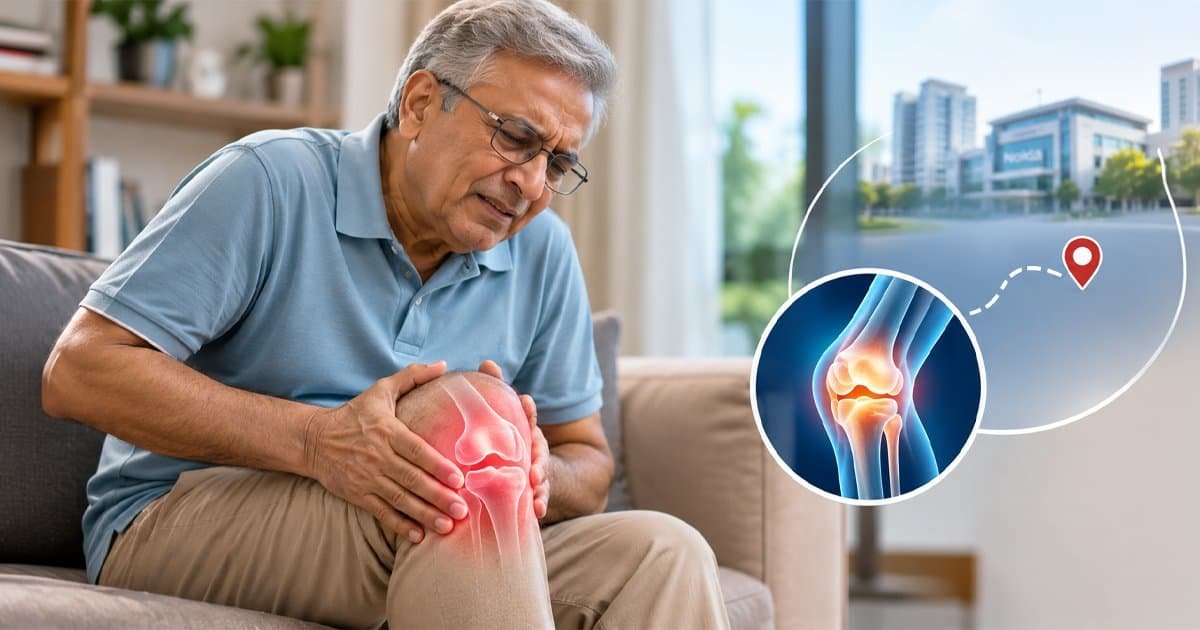
Most people with knee pain say at least one of these to themselves, sometimes for years. Sometimes it’s true. But sometimes the knee is telling you something specific, like a torn cartilage, a joint wearing down or an infection that shouldn’t wait, and the sooner it’s examined, the more options you have.
This guide is for anyone in Noida, Greater Noida or nearby areas who is trying to work out whether their pain needs attention. We’ll cover common causes, the warning signs, what knee pain treatment in Noida usually involves, and how to choose a doctor you can trust.
Why do knees hurt in the first place?
The knee carries your body weight with every step, and it has to bend, straighten and twist. There are a lot of parts that can go wrong: cartilage, ligaments, the cushioning meniscus, tendons, the kneecap and the joint lining.
Common causes include:
- Osteoarthritis, where cartilage wears down gradually. It’s one of the most common reasons for long-term knee pain.
- Injuries, such as ligament tears (ACL, MCL), meniscus tears or fractures, often after a fall, a twist or a sports accident.
- Overuse and tendon problems, from running, cycling, climbing stairs or standing for long hours.
- Kneecap pain, where the cartilage under the kneecap is irritated, often in younger people.
- Inflammatory conditions, such as rheumatoid arthritis or gout, which can cause swelling, heat and stiffness.
- Infection, which is less common but serious.
Which one you have changes everything, from the right exercises to the right medicines. That’s why guessing is risky.
Signs you shouldn’t wait it out
Mild aches after an unusually long walk can often be managed at home. But some signs mean it’s time to see an orthopaedic doctor. Book an appointment if you have:
- Pain that doesn’t improve after a few weeks, or keeps coming back
- Pain at night or at rest
- Swelling, redness or warmth around the knee
- A knee that locks, catches or gives way
- Difficulty fully bending or straightening the leg
- Trouble walking comfortably, or getting up from a chair or the floor
- A visible change in the shape of the knee or leg
Get urgent care if you can’t put weight on your leg, the knee looks deformed after an injury, there is sudden severe swelling, or you have fever with a hot, red, painful knee. Don’t wait for a routine appointment.
What does knee pain treatment in Noida usually start with?
Here’s the good news. Most people with knee pain don’t need surgery, and the first steps are usually simple. Treatment depends on the cause, but a doctor will often start with:
- Activity changes, such as resting the knee, avoiding what triggers pain and gradually returning to movement
- Physiotherapy, to strengthen the muscles around the knee and improve flexibility
- Weight management, because every extra kilo adds load to the knees
- Supports and footwear, including braces or walking aids for some conditions
- Medicines, for pain and inflammation, chosen for your health and prescribed with care
Physiotherapy is often the biggest part of knee pain treatment in Noida for ordinary wear-and-tear and overuse problems. It isn’t a quick fix, and it only works if you do the exercises. Many specialists suggest giving a structured programme some weeks before deciding on anything more invasive, unless there are warning signs.
A word of caution on painkillers: anti-inflammatory tablets can be unsuitable for people with stomach, kidney, heart or blood pressure problems. Check with a doctor before using them regularly, instead of treating them like sweets.
When more than exercises is needed
If basic treatment isn’t enough, your doctor may talk about the next steps:
- Injections into the joint, such as steroid injections for flare-ups. Other injection options exist, but the evidence for some is mixed, so ask what’s recommended for your situation and why.
- Keyhole (arthroscopic) surgery for certain problems, such as particular meniscus tears or loose pieces inside the joint
- Ligament reconstruction after serious ligament injuries
- Knee replacement when the joint is badly worn and daily life is limited despite other treatment
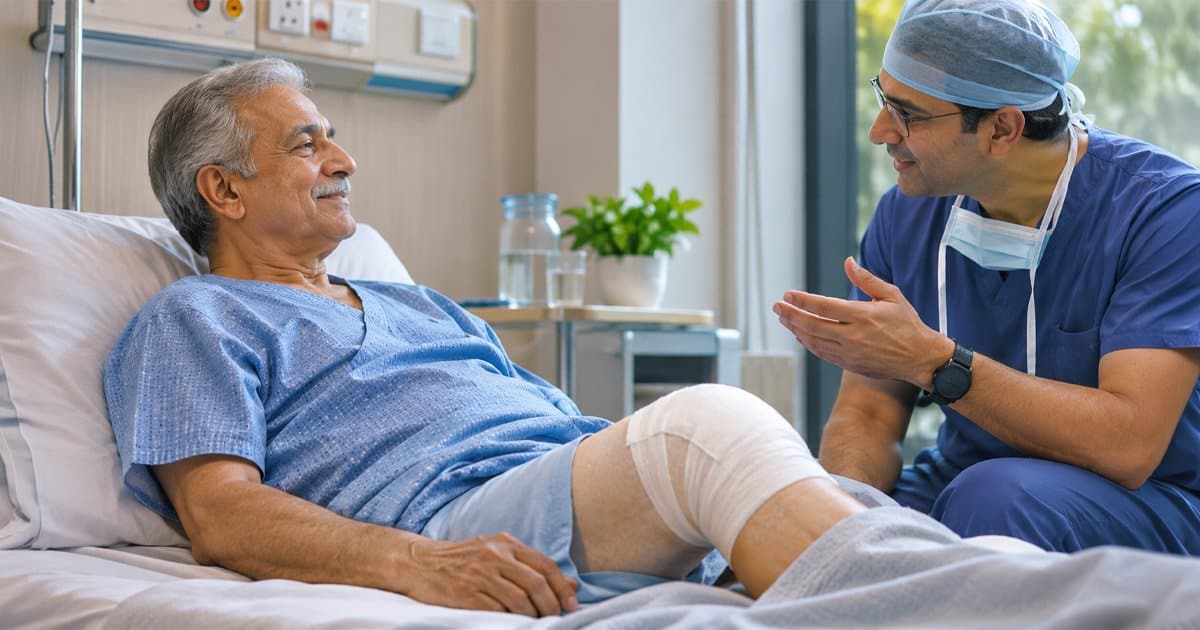
Surgery is not the first step for most people. A good doctor will explain why it’s recommended, what the alternatives are and what recovery involves.
What happens at your first visit
The first visit for knee pain treatment in Noida is mainly about finding the cause. Expect questions about when the pain started, what makes it better or worse, any injury, your work and activity, and your medical history. The doctor will examine your knee, watch you walk and test movement and stability.
You may be asked for tests:
- X-ray, to look at the bones and joint space
- MRI, when soft tissues like ligaments or the meniscus need a closer look
- Blood tests, if an inflammatory condition or infection is suspected
An MRI doesn’t automatically mean surgery. Often it simply tells you what you’re dealing with. Bring old reports, a list of medicines and any questions you’ve written down.
What you can do at home
Home care helps, though it doesn’t replace a diagnosis when pain keeps returning:
- Rest from the activity that hurts, instead of stopping all movement
- Use ice or a cold pack for swelling after activity, and elevate the leg
- Keep moving gently, since long periods of sitting can make stiffness worse
- Wear supportive footwear and avoid long stretches in heels or worn-out chappals
- Build leg strength with exercises your physiotherapist recommends
- Work towards a healthy weight
If you’re in India and over thirty, it can also be worth asking your doctor whether your vitamin D and calcium levels need checking, since low vitamin D is common here.
Everyday habits that quietly strain your knees
- Sitting cross-legged or squatting for long periods when the knees are already painful
- Taking stairs repeatedly with heavy loads
- Sudden jumps in exercise, such as starting a new gym routine or running programme
- Ignoring a small twist or fall because “it didn’t hurt much”
- Skipping warm-up and stretching
If your daily life includes floor sitting, an Indian toilet or many stairs, tell your doctor. Treatment should fit your real life.
How to choose knee pain treatment in Noida
When you’re comparing clinics and hospitals, look for:
- A proper diagnosis before a treatment plan. Be wary of anyone who recommends a procedure within minutes, without examining you or reviewing your imaging.
- An orthopaedic doctor with relevant experience in knee problems, and willingness to explain options in plain language.
- Access to physiotherapy and imaging, either on-site or through a reliable partner.
- An honest conversation about surgery. A good doctor will tell you when you don’t need it.
- Clear costs. Ask what the consultation, tests, injections or therapy sessions will cost.
- A convenient location, since you’ll probably need follow-up visits.
Be cautious about promises of instant cure or “no surgery guaranteed” claims. Knee pain has many causes, and no honest doctor can promise the same result for everyone.
Questions to ask your doctor
- What is causing my knee pain, and how sure are you?
- Which tests do I need, and why?
- What are my non-surgical options, and how long should I try them?
- What are the risks and benefits of any injection or procedure you suggest?
- Which activities should I avoid, and which should I keep doing?
- What should I do if the pain suddenly gets worse?
- When do you want to see me again?
Frequently asked questions
When should I see a doctor for knee pain? If pain lasts more than a few weeks, keeps returning, wakes you at night or comes with swelling, locking or giving way, see a doctor. See one urgently if you can’t bear weight, or have fever with a red, hot knee.
Do I always need surgery for knee pain treatment in Noida? No. Most people improve with exercise, physiotherapy, weight management and medicines when needed. Surgery is considered only when other treatment hasn’t worked or the problem needs it.
Is walking good for knee pain? Gentle, regular walking helps many people with arthritis, but the right amount depends on the cause. Stop and get checked if walking causes sharp pain, swelling or giving way.
Is knee pain a normal part of ageing? It’s common, but it isn’t something you have to simply accept. Even age-related wear can often be treated so you stay active.
Can young people get knee pain? Yes. Sports injuries, overuse and kneecap problems are common in teenagers and young adults.
How much does knee pain treatment in Noida cost? It depends on the cause and what is needed, such as consultation, imaging, physiotherapy or procedures. Ask for a clear estimate before starting.
One last thought
Your knees will do a great deal for you over a lifetime, mostly without asking for anything. If yours are asking for attention now, listen. Get the cause identified, start with the simple treatments and ask honest questions. Whether you choose knee pain treatment in Noida or elsewhere, the aim is the same: a knee that lets you get on with your day.
Related Blogs