




Posted by: Dr. Priyadarshi Amit (Reg. No : DMC-5266) | 0 COMMENTS
Shoulder pain turns people into amateur doctors. You search your symptoms at midnight, read “frozen shoulder,” and by morning you’ve decided that’s it. Sometimes you’re right. Often it’s a rotator cuff tear, and the two need quite different handling.
Before you book an orthopaedic surgeon in Noida or elsewhere in Delhi NCR, it helps to know what separates these two conditions. You’ll describe your symptoms better and follow the answers you get.
Frozen Shoulder: When the Joint Gets Tight
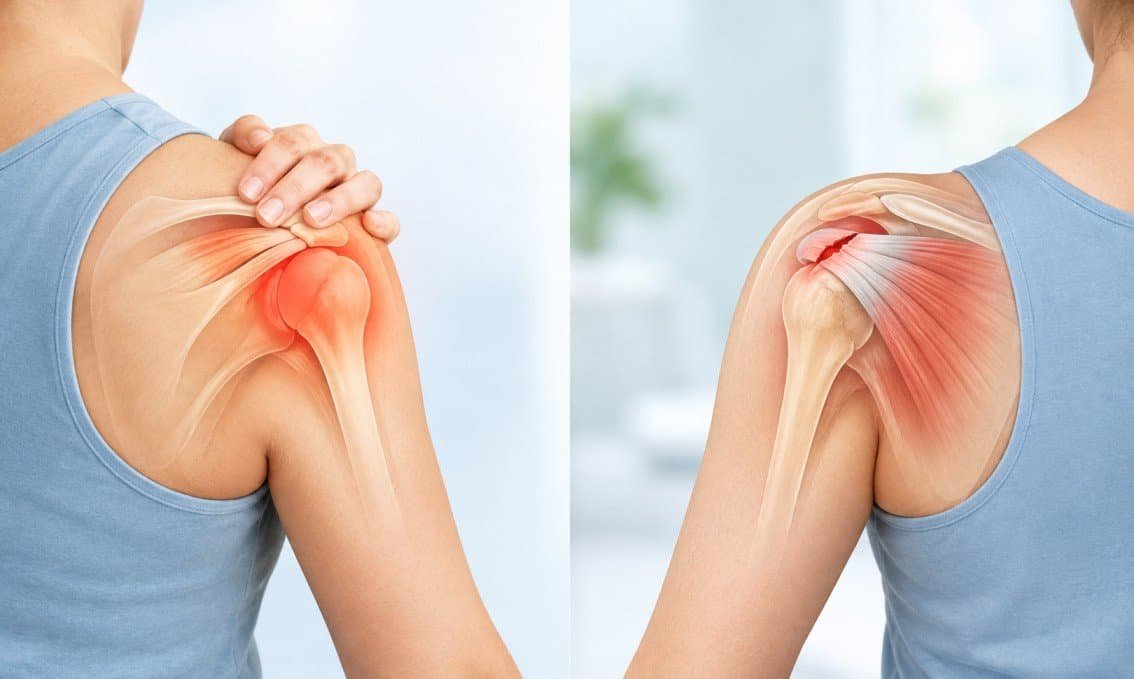
Doctors call it adhesive capsulitis. The capsule, a thin sleeve of tissue wrapped around the shoulder joint, becomes inflamed and thickens until it grips the joint like a shrunken sweater. There’s simply less room to move.
It usually turns up between 40 and 60, and women are affected more often than men. People with diabetes get it more than others. It can also follow a long period of keeping the arm still, say after a fracture or an operation.
The story unfolds slowly. First comes a painful phase, with aching that worsens at night. Then stiffness takes over: reaching for a seatbelt, fastening a bra or tucking in a shirt all become hard. Finally the shoulder loosens again. Start to finish, it often takes one to three years.
Rotator Cuff Tear: When a Tendon Gives Way
Four small muscles and their tendons form the rotator cuff. They keep the ball of your upper arm centred in the socket and do much of the work when you lift or turn your arm. In a tear, one of those tendons pulls away from the bone, partly or completely.
Some tears happen in a moment: a fall on an outstretched hand, or heaving a heavy suitcase off a carousel. Many more build up quietly with age or years of overhead work like painting or carpentry. Plenty of older adults even have tears on scans and no symptoms at all.
Frozen Shoulder vs Rotator Cuff Tear: How Are They Different?
The biggest difference is what happens to the shoulder when you try to move it.
With frozen shoulder, the joint becomes stiff. With a rotator cuff tear, the main problem is often pain or weakness caused by damage to the tendons.
| Feature | Frozen Shoulder | Rotator Cuff Tear |
| What is affected? | The capsule around the shoulder joint | One or more rotator cuff tendons |
| How does it start? | Usually develops gradually | May follow an injury or develop over time |
| Main problem | Stiffness and pain | Pain and weakness |
| Movement with assistance | Usually remains restricted | May be better preserved |
| Arm strength | Movement may be limited by pain | Weakness may be more noticeable |
| Common risk factors | Diabetes, thyroid disorders, reduced shoulder movement | Age-related tendon changes, falls, repetitive overhead activity |
| Treatment | Pain management and gradual movement exercises | Rehabilitation and, in selected cases, surgery |
These are common patterns, not fixed rules. A person can have both conditions, and other shoulder problems may cause similar symptoms.
Why People Mix Them Up
Both hurt at night, especially if you roll onto the bad side. Both make overhead tasks miserable. And they can happen together, because a painful tear makes you baby the arm, and a shoulder that isn’t used tends to stiffen.
A few quick checks can point you in a direction, though they won’t replace an examination.
- Use your good hand to help lift the painful arm. If it rises much higher with help, stiffness is less likely the main issue.
- Did it begin with a particular fall or lift? That leans toward a tear.
- Turn your forearm outward with your elbow at your side. Marked limitation here is typical of frozen shoulder.
What Happens in the Clinic
A shoulder specialist will watch how you move, test the cuff muscles one by one, and ask about diabetes, thyroid problems, past injuries and your job. Much of the diagnosis happens right there.
Scans fill in the rest. An X-ray rules out arthritis and fractures. Ultrasound can show a tear as it happens, and MRI gives the fullest picture of the tendons, usually when the diagnosis is unclear or surgery is being considered.
How Treatment Differs
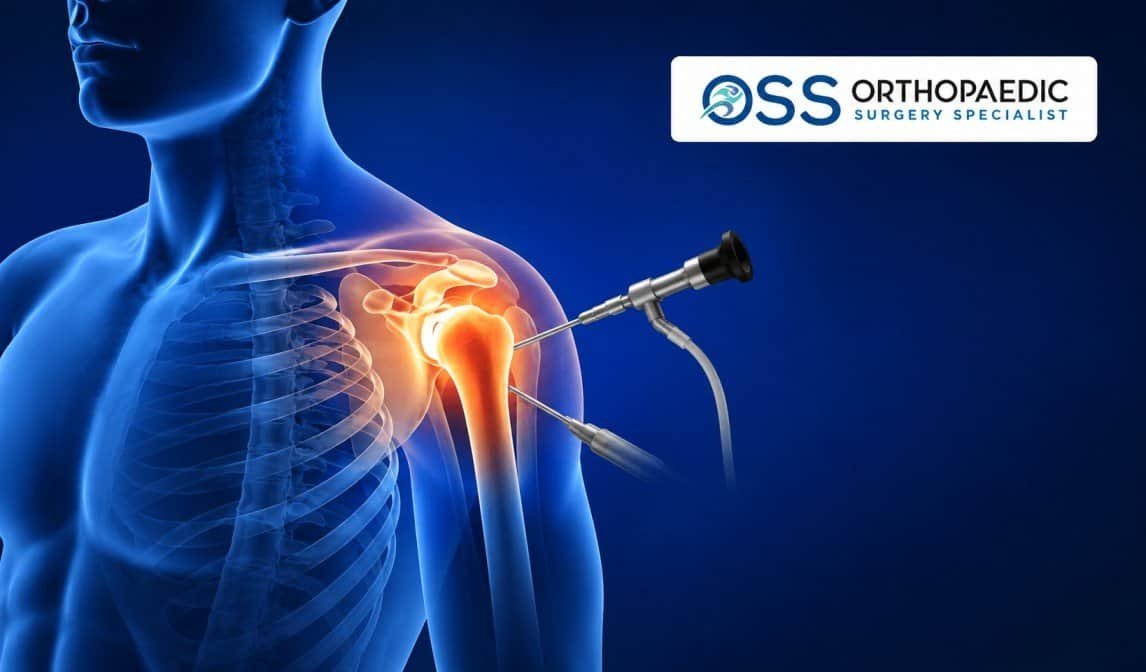
Frozen shoulder is usually treated without surgery: pain relief, guided stretching, physiotherapy and sometimes a steroid injection in the painful phase. If it stays stuck after months of proper effort, hydrodilatation or keyhole capsular release can be discussed.
For a rotator cuff tear, the plan depends on tear size, your age and what you need the shoulder to do. Partial and many age-related tears settle with physiotherapy. A fresh full tear in an active person, or one that leaves you weak despite rehab, may need arthroscopic repair.
Getting it wrong has a cost. Hard stretching on a fresh tear isn’t wise, and resting a stiff shoulder for weeks makes it stiffer.
Choosing a Frozen Shoulder Specialist in Delhi NCR
When searching for a frozen shoulder specialist in Delhi NCR, skip the glossy claims and check three things.
- Is the doctor registered with the National Medical Register or a State Medical Register? The National Medical Commission’s website lets you verify this.
- Do they hold postgraduate orthopaedic qualifications, and do they focus on shoulder problems?
- Does the consultation include a physical examination and a plain explanation of options, including those without surgery?
Be careful with anyone who promises a cure or a fixed recovery date. Shoulders recover at their own pace.
The Final Word
A frozen shoulder is a tight joint. A rotator cuff tear is a damaged tendon. They can feel alike, but they call for different plans. If your pain has dragged on for weeks, if it’s keeping you awake, or if you’re losing strength or movement, see an orthopaedic surgeon in Noida or elsewhere in Delhi NCR for a proper assessment. Early diagnosis usually saves time and a lot of discomfort.
Frequently Asked Questions
Can I have frozen shoulder and a rotator cuff tear together?
A rotator cuff issue may limit arm movement due to pain, while reduced use can gradually lead to shoulder stiffness. Examination and imaging show which is doing most of the damage.
Will frozen shoulder go away by itself?
Usually it improves, but it can take one to three years or more. Physiotherapy and pain control make the wait easier.
Does a rotator cuff tear heal without surgery?
Partial tears often settle with rehabilitation. A complete tear generally doesn’t rejoin on its own, though whether you need repair depends on symptoms, age and activity.
Related Blogs