



Posted by: Dr. Priyadarshi Amit (Reg. No : DMC-52006) | 0 COMMENTS
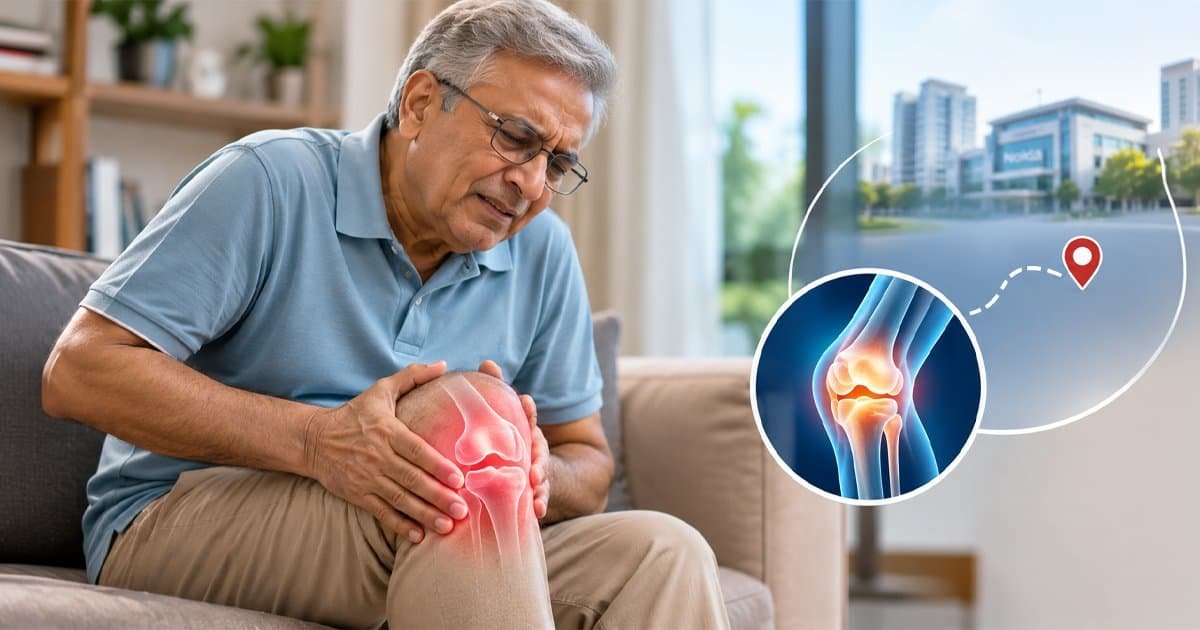
A knee injury may initially seem minor, but symptoms such as swelling, pain or a feeling that the knee is giving way can appear or persist over time. These symptoms may indicate an injury to the anterior cruciate ligament (ACL), which plays an important role in knee stability. Understanding the cause of knee instability, available treatment options and the role of rehabilitation can help patients make informed decisions. This article explains when non-surgical care may be considered, when ACL reconstruction may be recommended and when to consult an ACL surgeon in Delhi NCR.
Why Does Your Knee Feel Unstable After an ACL Injury?
The anterior cruciate ligament (ACL) runs through the centre of the knee. It stops the shinbone sliding forward under the thighbone and controls rotation when you pivot.
When it tears, that restraint weakens or disappears. Other structures compensate poorly, so the knee can slip during ordinary movement. A torn meniscus or weak thigh muscles can make it worse.
What Are the Common Signs of Knee Instability?
- The knee buckles while walking, on stairs, or on uneven ground
- Swelling and a deep ache that return after activity
- A feeling of insecurity when pivoting, jumping, or stopping suddenly
- Avoiding sport because you no longer trust the knee
Can a Partial ACL Tear Also Cause Knee Instability?
Yes, though less often. A mild partial tear may leave the knee fairly steady, but a high-grade one can behave like a complete tear.
Severity matters, but so does the person: a desk worker may cope far better than someone who plays football or badminton. An ACL surgeon in Delhi NCR will grade the tear before suggesting anything.
How Is Knee Instability After an ACL Injury Diagnosed?
An ACL surgeon starts with how the injury happened and what the knee does now. Then the examination:
- Physical examination: swelling, range of motion, and tenderness along the joint line.
- Lachman test: with the knee slightly bent, the doctor pulls the shinbone forward. Excess movement or a soft end-point suggests a tear.
- Pivot shift test: checks rotational stability and often reproduces the giving-way feeling.
- MRI scan: MRI helps assess the ACL injury and identify associated damage to the meniscus, cartilage and other knee structures. .
Can Knee Instability Be Treated Without Surgery?
Sometimes. People with lower physical demands may do well without reconstruction.
Not every ACL injury requires surgery. Depending on knee stability, injury severity and activity requirements, a doctor may recommend a structured rehabilitation programme before considering surgical treatment. The plan usually means supervised physiotherapy, strengthening of the quadriceps, hamstrings and hip muscles, balance work, and activity modification, such as avoiding pivoting sports for a while. Stronger muscles improve results either way.
When Is ACL Reconstruction Surgery Recommended?
Surgery is usually discussed when the knee keeps failing despite proper effort:
- Repeated giving way during daily activity or light exercise
- Associated injuries, such as a repairable meniscus tear
- Persistent symptoms after a few months of good rehabilitation
- A work or sport demand that involves pivoting or contact
Age, occupation, and the state of the whole knee count too, and your ACL surgeon should weigh them with you. Repeated slips can damage the meniscus and cartilage over time, which is why ongoing instability shouldn’t be ignored. When looking for ACL injury treatment in Delhi NCR, choose a clinician who lays out both knee surgery and non-surgical options. Good ACL injury treatment in Delhi NCR respects your choice.”
What Is the Recovery Process After ACL Surgery?
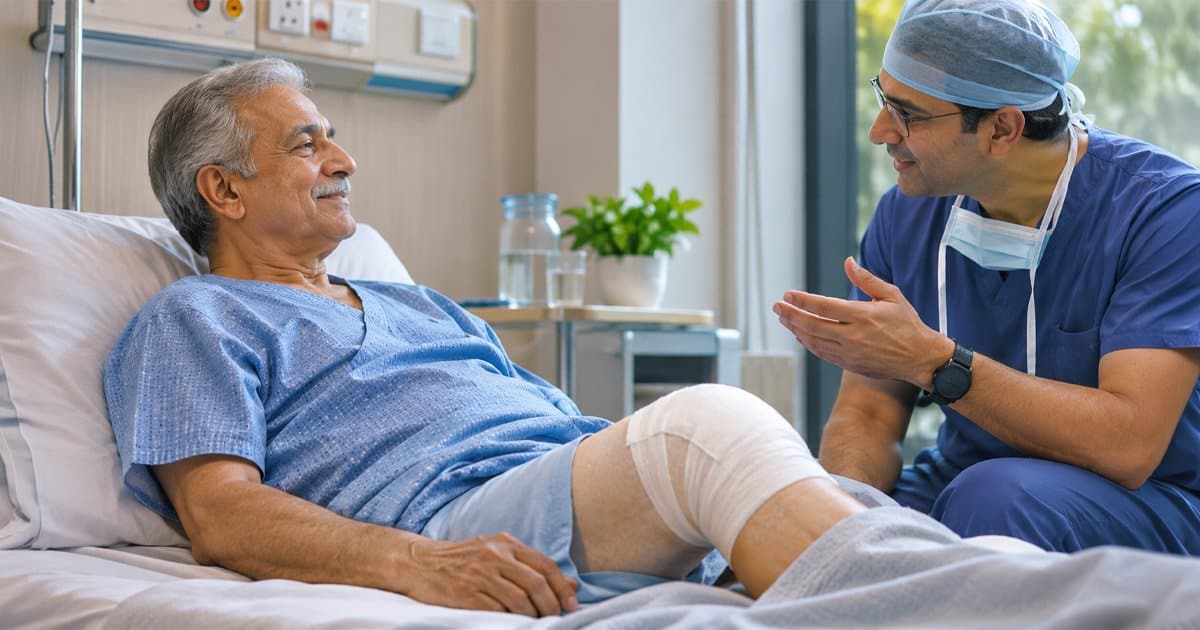
Reconstruction replaces the torn ligament with a graft, often from your own hamstring.
The first weeks focus on pain and swelling control, straightening the knee, and walking with support. Over the following months the emphasis moves to strength, balance, and movement control, with jogging and sport drills added step by step.
Follow your ACL surgeon’s rehabilitation plan closely. Daily activities usually return within weeks to a couple of months. Sport commonly takes nine months or more, and rushing it is a frequent cause of re-injury.
When Should You Consult an ACL Surgeon in Delhi NCR?
See an ACL surgeon in Delhi NCR if the knee has given way more than once, swelling keeps returning, or you avoid activities you used to enjoy. Go sooner if the knee locked or you couldn’t bear weight.
Check credentials too. Registration can be verified on the National Medical Register (NMR) of the National Medical Commission, or the relevant State Medical Register.
Frequently Asked Questions
Can an ACL tear heal without surgery?
A complete tear doesn’t usually knit back together. Some people function well without reconstruction thanks to strong muscles, but the ligament generally stays torn. An ACL surgeon in Delhi NCR can tell you which group you fall into.
Does every ACL tear require reconstruction?
No. It depends on stability, age, activity level, and other injuries. Many start with rehabilitation and move to surgery only if the knee keeps giving way.
How long does ACL surgery recovery take?
Routine tasks return within weeks to a couple of months. Sport typically takes nine months or more, guided by strength and stability tests rather than the calendar.
The Final Word
A knee that gives way is telling you something. Whether the answer is focused physiotherapy or reconstruction, it should come from a proper examination and the right imaging, not guesswork. If your knee hasn’t felt trustworthy since an injury, a consultation with a qualified ACL surgeon in Delhi NCR is the most reliable way to find out where you stand.
Related Blogs