


Posted by: Dr. Priyadarshi Amit (Reg. No : DMC-5266) | 0 COMMENTS
Frozen shoulder, also known as adhesive capsulitis, is a condition characterised by pain, stiffness, and restricted movement of the shoulder joint. Symptoms may develop gradually and interfere with everyday activities. The condition may improve over time, although recovery can be prolonged. Medical evaluation can help assess the severity of symptoms and determine appropriate management, which may include exercises, physiotherapy, medication, or other interventions depending on individual clinical findings.
If you or someone you know is suffering from Frozen Shoulder, it is for your own benefit to seek the right kind of medical doctor who can treat your condition. The following is a guide to assist you in making the right kind of decisions about your doctor.
1. Orthopedic Surgeons – The Primary Specialists
Orthopedic surgeons are medical professionals who specialise in the diagnosis and management of conditions affecting the musculoskeletal system, including bones, joints, muscles, ligaments, and tendons. For frozen shoulder, an orthopedic specialist may evaluate shoulder pain and restricted movement, assess the underlying cause, and recommend appropriate treatment based on the patient’s clinical condition.
Why orthopedic surgeons are ideal:
- Expert in diagnosing joint-related issues.
- Can recommend non-surgical and surgical treatment options.
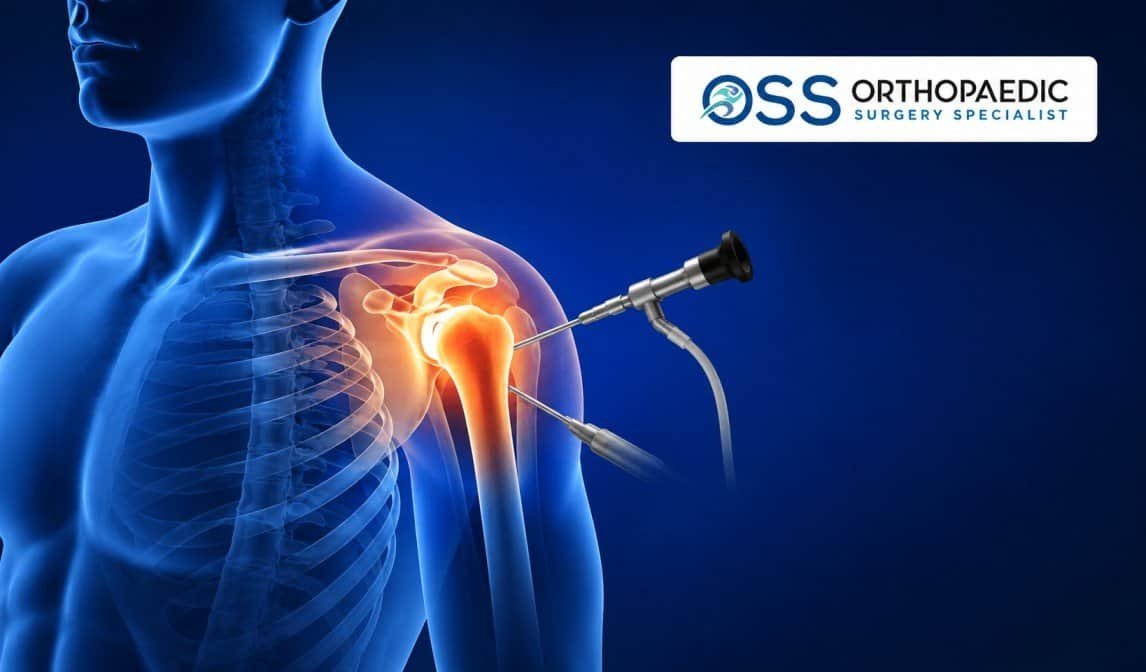
- Skilled in procedures like arthroscopic capsular release if conservative treatments fail.
Doctors such as Dr. Priyadarshi Amit, who are experts in their own domain of orthopedic surgery, are very well known for their expertise in handling shoulder and joint-related issues. Consulting such experts would provide the diagnosis and treatment.
2. Physical Medicine and Rehabilitation (PMR) Specialists
These specialists are expert in handling issues related to movement, pain, and capacity. In some cases, patients with frozen shoulder are treated by these specialists.
Benefits of seeing a PMR specialist:
- Design personalized physiotherapy and exercise regimens.
- Recommend pain management techniques, such as heat therapy or gentle mobilization.
- Monitor progress to prevent stiffness from returning.
A coordinated approach involving orthopedic specialists and Physical Medicine and Rehabilitation (PM&R) professionals may help support the management of frozen shoulder. Depending on the patient’s condition, treatment may include pain management, guided exercises, and rehabilitation to improve shoulder mobility and function. Recovery time varies according to individual clinical factors and response to treatment.
3. Physiotherapists – Key for Rehabilitation
Physiotherapists are very important in helping patients regain their shoulder movement and strength after the onset of frozen shoulder. Although they do not perform any surgical procedures, they assist their patients in exercising through various routines to:
- Increase range of motion in the shoulder joint.
- Reduce pain through manual therapy and stretching.
- Strengthen surrounding muscles to support long-term recovery.
Consistency in this regard, in collaboration with physiotherapy under the guidance of orthopedic experts like Dr. Priyadarshi Amit, can help avoid chronic stiffness and pain.
4. Pain Management Specialists
In some serious cases, frozen shoulder can result in chronic pain, thereby interfering with sleep and other activities. Pain management specialists can offer:
- Corticosteroid injections for reducing inflammation.
- Nerve blocks for pain relief.
- Advice on medications for short-term pain relief.
These specialists tend to work hand-in-hand with orthopedic surgeons and physiotherapists for an overall approach to recovery.
5. Rheumatologists – For Complex Cases
Frozen shoulder may be associated with certain underlying health conditions, including diabetes and thyroid disorders. In selected cases, a rheumatologist may help assess possible inflammatory or autoimmune conditions when indicated by the patient’s symptoms and clinical findings. A consultation may assist with the following:
- Identifying underlying diseases that cause frozen shoulder.
- Provide medical management alongside orthopedic treatment.
- Prevent complications and support long-term joint health.
How to Choose the Right Doctor for Frozen Shoulder
Here are a few considerations to take into account when choosing your doctor for frozen shoulder:
- Specialty of the surgeon: You should look for a doctor that specializes in shoulder or joint issues.
- Experience of the surgeon: You should look for a doctor who has successfully treated many patients with frozen shoulder over the years.
- Multi-disciplinary approach: You should prefer to choose a doctor who works with physiotherapists, physiotherapy clinic, and pain management specialists.
- Patient feedback and recommendations: You can find past patients’ experiences and success stories online.
- Location and convenience: You should prefer to choose a doctor who is close to their office and has convenient follow-up appointments and support for rehabilitation.
Dr. Priyadarshi Amit is an excellent example of all of the above and is an excellent doctor who cares for frozen shoulders from diagnosis to rehabilitation all in one location using a holistic approach to treatment.
Conclusion
Frozen shoulder is a condition that requires prompt and specialized care. Physicians trained to treat frozen shoulder typically include a mix of:
- Diagnostic and procedural intervention orthopedic surgeon.
- PMR specialist and physical therapist for rehabilitation and restoring mobility.
- Pain management physician for severe pain.
- Rheumatologist to evaluate systemic issues.
Patients who seek care from the specialists, such as Dr. Priyadarshi Amit, may obtain quicker recovery, less pain, and better function of their shoulders. Using experienced and collaborative physicians is a crucial element of regaining mobility and returning to principal activities in an unrestricted manner.
Related Blogs