


Posted by: Dr. Priyadarshi Amit (Reg. No : DMC-5266) | 0 COMMENTS
Learn how orthopaedic doctor in New Delhi assess and manage sports injuries. Understand the treatment approaches they may recommend to support recovery, restore mobility, and help patients return to their daily activities.
Sports injuries are physical injuries that occur during sports, exercise, or other physical activities. They range from acute injuries, such as sprains and fractures, to chronic overuse conditions, such as tendinitis. Symptoms vary depending on the type and severity of the injury, and ignoring persistent pain or swelling may lead to complications. These injuries can affect athletes at every level and interfere with their performance and daily activities. Therefore, consulting a qualified orthopaedic specialist can help ensure appropriate evaluation, treatment, and rehabilitation.
This blog post explores how orthopaedic specialists in New Delhi approach the assessment and management of sports injuries. It also explains the treatment options they may consider for different sports-related musculoskeletal conditions, depending on the patient’s diagnosis, individual needs, and clinical findings.
Primary examination and diagnosis
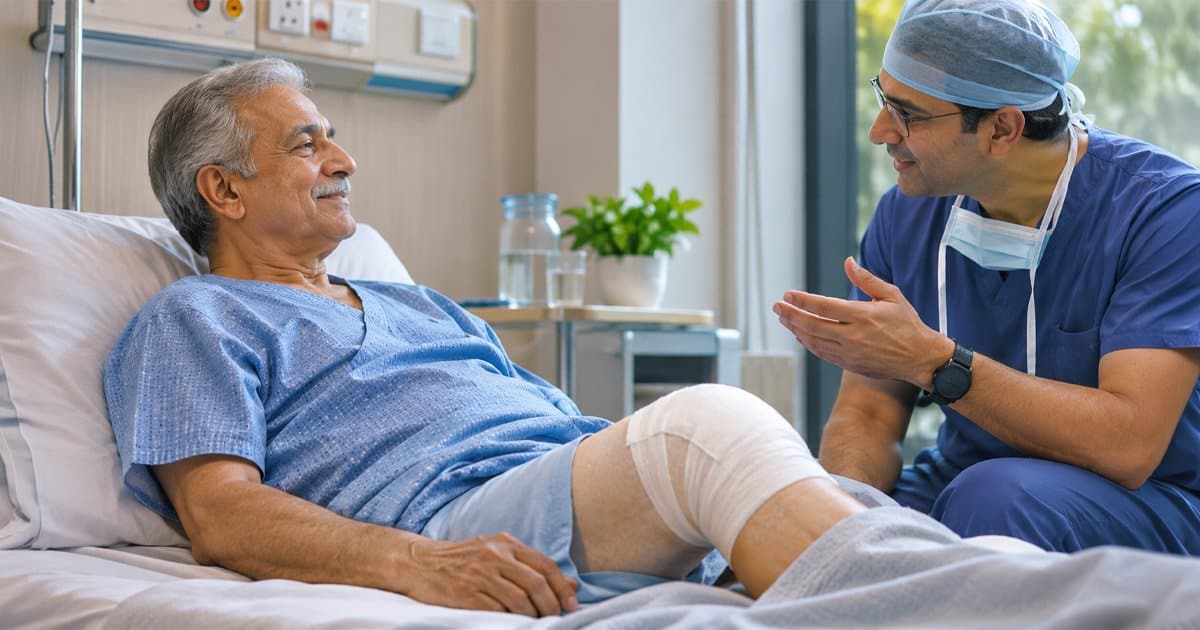
An orthopaedics doctor in New Delhi takes a comprehensive approach to examining sports injuries with a detailed initial consultation. This consultation is where the doctor speaks to the patients. They will discuss their medical history and understand the injury’s context. The context will help them know if the injury is from sudden impact or repetitive overuse. Then, they will conduct a thorough physical examination, diagnosing pain levels, swelling, range of motion, and checking for visible deformities or bruising. Furthermore, they may recommend imaging tests such as X-rays, MRIs, or CT scans to accurately understand the injury’s extent. Such tests also help visualize bone, ligament, or tendon damage and provide a proper medical assessment.
Non-surgical treatment options
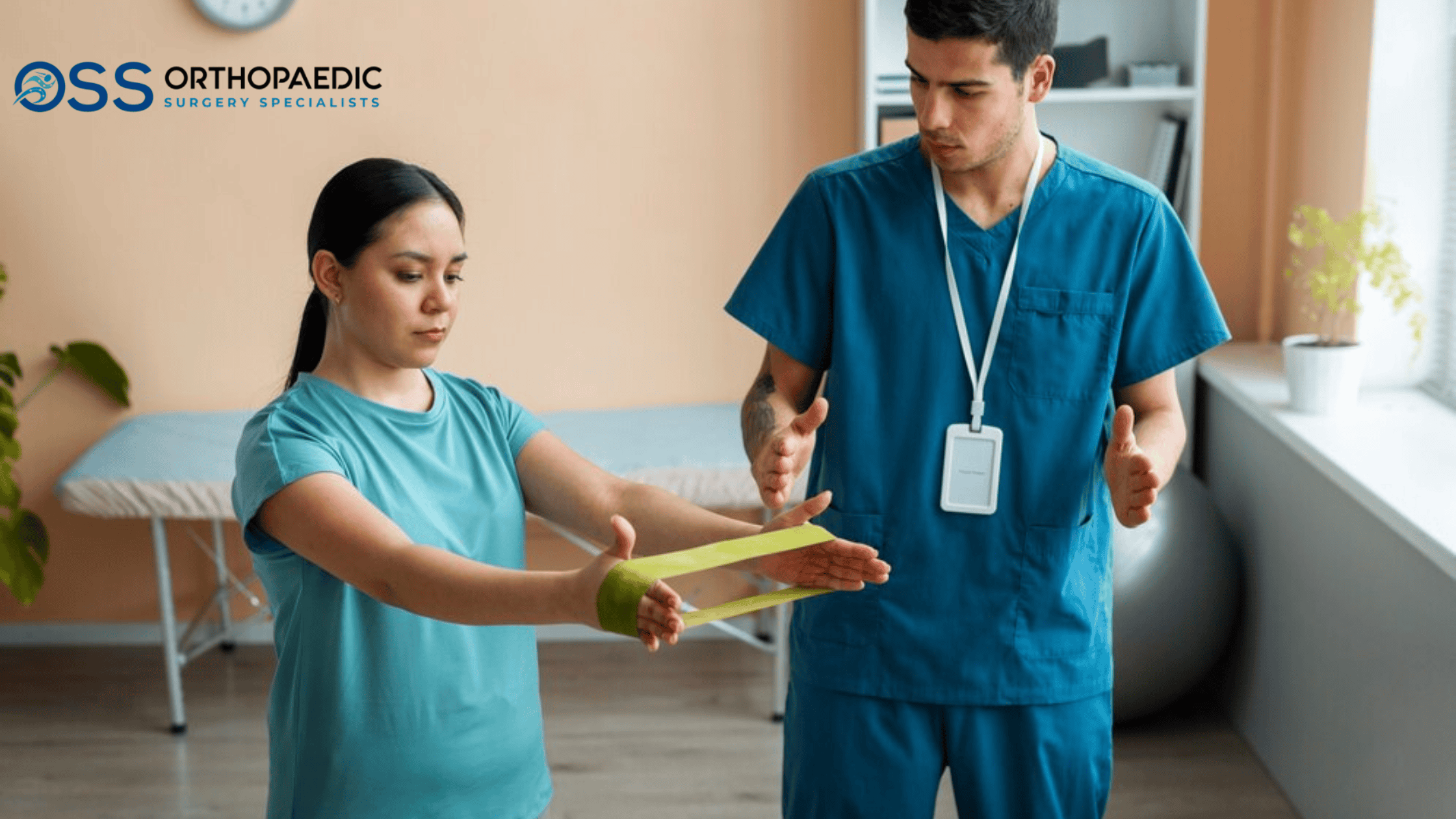
If a patient does not need surgery, the doctor will recommend some non-surgical treatment methods to improve healing and reduce pain. The first and prevalent medical approach is R.I.C.E. method. R.I.C.E. means rest, ice, compression, and elevation, and it reduces swelling and discomfort. They will also recommend physical therapy with exercises to improve strength, flexibility, and joint function. Over-the-counter pain relievers or anti-inflammatory medicines also help manage pain and reduce inflammation. However, if the case is severe or persistent, they might advise advanced treatments such as corticosteroid injections to directly address inflammation.
Surgery options
When non-surgical treatments do not bring the optimal results, a patient with sports injuries might need surgical procedures for the ideal recovery. Surgery is required when the patient has severe fractures affecting joint surfaces, anterior cruciate ligament (ACL) tears, meniscal tears, recurrent patellar dislocations, etc. The orthopaedic surgeon in Delhi-NCR performs two kinds of surgical procedures: arthroscopic surgery and open surgery. Arthroscopic surgery is where the surgeon will perform minimally invasive surgery with tiny incisions. They use a camera to repair damaged tissues, such as cartilage or ligaments. This kind of surgery has advantages such as reduced tissue disruption, smaller scars, and faster recovery. Open surgery is a traditional surgery that is needed to treat complex fractures or injuries. This procedure gives direct access to the affected area but involves larger incisions and a longer recovery time. Post-surgery, the surgeon will provide recovery plans to the patients with physical therapy. They may also advise the athlete patient to safely resume their activities without compromising healing.
Preventive care and long-term management
The doctors also offer advice to prevent future issues and improve the patient’s athletic form for the long term. They consult about proper training techniques, nutrition, and injury prevention exercises. Proper training techniques help the athletes get back on track and regain their fitness. Nutrition follows diets that strengthen musculoskeletal health in them, and injury prevention exercises make their body active again. The doctors may offer long-term care and track the recovery of their patients to ensure a full functional return to sport for athletes with chronic injuries or those who have undergone surgery.
To conclude, consulting an orthopaedic doctor can help ensure an accurate diagnosis and an appropriate treatment plan for sports injuries. Seeking timely medical care may help manage pain, support recovery, and reduce the risk of further complications. Orthopaedic specialists also contribute to rehabilitation and injury prevention, helping athletes work towards a safe return to sports and physical activities. Dr. Priyadarshi Amit, an orthopaedic specialist in New Delhi, evaluates each patient’s condition and discusses appropriate treatment options based on clinical findings, individual needs, and recovery goals.
Related Blogs